Black Mirror: A Different Approach of Interpreting Humanity and Technology
- 3 hours ago
- 4 min read
On this week at The Tarot, join Ali Elgehmi as he draws The Devil from our deck to capture the bleak, dystopian realities of Black Mirror!
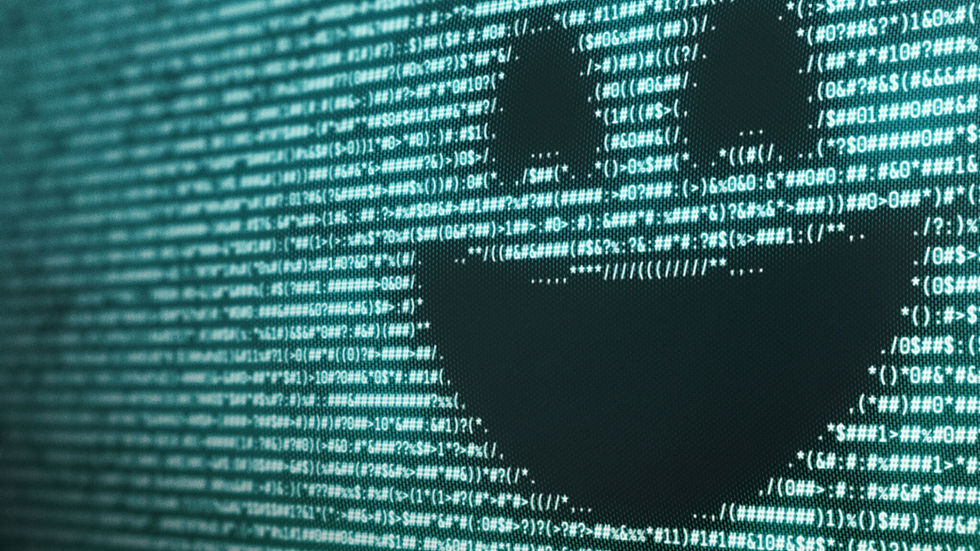
Black Mirror is a British tv series available on Netflix, made by producer and screenwriter Charlie Brooker. It is a dystopian show that focuses on the hidden meaning of modern technology and its dark consequences. Since its release in 2011, the show has gained a reputation for its dark, thought – provoking storytelling and its ability to transform familiar everyday technologies into disturbing and cautionary tales. Each episode presents a separate and unique self-contained story, yet all are connected by a common them: the way technological advancements shape, distort, and sometimes endanger human behavior.
The title Black mirror itself contains a symbolic meaning. It refers to the dark, reflective sides on screens of devices we constantly interact with, such as our smartphones, televisions, and computers. These “black mirrors” not only reflects our image but also society’s values, fears and obsession as human beings. Through this metaphor, the series proposes that technology is not inherently dangerous; instead, it magnifies how we humans use it for our vile traits such as greed, loneliness and the desire to dominate for control.
One of the best and most striking features of Black mirror is its anthology format. Unlike most of traditional television series with reoccurring characters and continuous storylines, each episode introduces a completely different world. This allows the show to showcase a wide variety of futuristic scenarios, from social media rating systems (Nosedive S3 EP1) to digital consciousness and artificial intelligence. Because the episodes are each independent, viewers can jump into the series from any episode at almost any point, which massively has helped make the show more accessible and widely discussed.
One of the most notable strengths of the series lies in how it exaggerates technologies that already exist in some form today. For example, the episode “Nosedive” as mentioned earlier, visualizes a society where every individual rate evry social interaction through a smartphone app, determining each person’s social status and abilities. Although it may seem a bit extreme, it clearly draws inspiration from actual real-world platforms where likes, ratings and follower counts, shape reputations and opportunities. By pushing current trends and lifestyles to their logical extremes and imagination, Black mirror forces viewers to question where our society might be heading to in the near future.
Another notable episode, “San Junipero” (S3 EP4), offers a different tone from the show’s usual dark harshness. The story revolves around a digital afterlife where people can upload their consciousness and eternally in a simulated paradise. While the principle is futuristic, it raises timeless deep-thinking questions about identity, morality and the nature of true happiness. Unlike many episodes that end in unsettling ways, “San Junipero” introduces a rare sense of hope, suggesting that technology can also potentially enhance human experience rather than just merely exploit it. Another parallel or similar approach was imagined in another episode called “Hotel Reverie” (S7 EP3).
Beyond its storytelling, Black mirror stands out for its cinematic production quality, performance and talented casts. Each episode features well-known actors and high-level visual effects, making the stories feel more like incredibly well-done short films than just standard television episodes. This cinematic style contributes to the show’s amazing, immersive atmosphere and emotional impact on the viewers. The careful and incredible combination of the writing, acing and visual design ensures that each episode leaves a lasting impression.
However, despite the amazing performance, some critics argue that the show occasionally becomes a little too pessimistic about technology. Many episodes portray digital innovations leading to disastrous endings, which may give a fearful impression that technological progress only and inevitably results in harm. While these negative scenarios are effective warnings, they may sometimes overlook the ways technology was shown to have genuinely improved communication, healthcare and access to knowledge around the world.
Despite the criticism, the show’s primary goal to was clearly not to predict the future accurately, but to encourage reflection on our ways of life. By presenting exaggerated possibilities, Black mirror invites viewers to examine their own habits, and the role technology always plays in our lives. It asks and predicts uncomfortable questions such as: How much privacy are we willing to sacrifice? How dependent are we on online validation? What happens when machines articulate and start to understand us better than other humans do?
Ultimately, Black mirror succeeds because it connects futuristic innovations with deep human concern. Beneath the advances technology and hypothetical settings, the show consistently focuses on emotions such as love, jealousy, fear and loneliness. These universal experiences with a mix of plot twists, make the stories relatable even when the worlds they depict every episode seem far from reality.
In Conclusion, Black mirror is more than just a science-fiction series – it is a social critique view on modern everyday life. Through its creative storytelling and unsettling scenarios, the show tests audiences to reflect on the consequences of technological progress when mixed with human desires. Whether viewed as a caution, over-exaggerated, or simply just for entertainment, Black mirror continues to spark conversation and opinions about the future we may be creating and the humanity we might risk losing.



Comments